Weight loss is the glorified goal for many people, especially Americans. Being that America has an obesity rate of 42.4%, and 30.7% of all Americans are overweight, it’s understandable why many would want to lose a few pounds. With fattening foods being so accessible, placed on every corner of every street, obesity rates are bound to be high. Especially being that fattening food is far cheaper than balanced meals. Though, almost half of the U.S. is obese, weight loss and thin physiques are advertised everywhere. Commercials, Billboards, TV, Magazines, Advertisements, and Social Media are the warehouses for promoting beauty and body standards. Weightloss isn’t promoted by companies to advertise and produce healthy habits; It’s promoted to dig into the insecurities of people, especially women, and convince people to give these companies their revenue. Everything promoted and advertised is for a profit, but are these advertisements influencing disorders?
Dieting is often glorified in the media. It’s one of the many ways of losing weight and obtaining that model-thin physique. To have the body of Bella Hadid, Doutzen Kroes, Heidi Klum, and Candice Swanepoel, dieting and fitness is essential. Fashion models often have to monitor their food intake in order to keep their body fat low. For many, calorie counting is the key to keeping track of their food intake. To an extent, calorie counting can be healthy; but, counting calories and heavy dieting can often lead to an umbrella of problems. Two of the major problems being OCD, Obsessive-compulsive disorder, and Eating Disorders. The heavy promotion of dieting, beauty standards, weight loss all play primary factors in Eating Disorders due to these factors being able to weaken the mental state of many individuals. Eating disorders are often caused by depression, anxiety, trauma, OCD, dieting, and starvation. The desire to be thin, as promoted by the media, can lead one into a depressive state due to comparison and body dysmorphia. Depression mixed with body dysmorphic disorder (BDD) can easily lead to OCD and cause extreme levels of dieting and even starvation. The craziest part is that eating disorders consume 9% of the U.S. population, resulting in almost 30 million Americans who suffer from the disorder. 9% seems small, but it’s genuinely not when comparing it to the population of America as a whole. It’s the most deadliest mental illness, with an estimated 10,200 yearly deaths in the United States alone. For eating disorders being as deadly as they are, I would expect them to be discussed more often, especially in the context of mental health. With all of this said, this leads me into the topic of diet sodas.

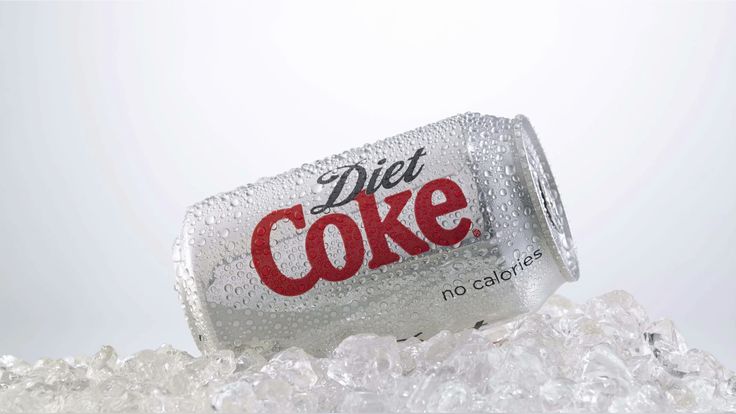
Diet sodas are advertised as a great way to continue to drink the beloved beverage everyone loves whilst not gaining any calories at all. Having the opportunity to eat all of your favorite snacks and drink all of your favorite drinks without gaining any weight, sounds like a dream come true. They’re marketing the idea that we’re still consuming our favorite unhealthy food but it’s not “really” unhealthy since it has no calories. This is the idea that many soda companies want us to believe in order to buy and consume their products. Those with eating disorders are easily susceptible to falling into these advertisements. It’s been noted that individuals with eating disorders often consume significantly larger amounts of diet sodas than those who don’t have eating disorders.
This is notably due to diet sodas being aimed to contain no calories and without calories, no weight is gained. Diet sodas also tend to have caffeine in them, more caffeine than regular sodas. Caffeine can act as a weak appetite suppressant, and tied with the carbonation of the soda, many tend to feel a temporary fullness after drinking a can or two. So, drinking multiple cans a day with maybe a bite of a salad here and there, it’s easy to become full and go the entire day without a meal. From this perspective, it’s understandable why individuals with eating disorders resort to diet sodas.
The thing people don’t understand is that brands understand beauty standards. Hence why companies like Coca Cola advertise their diet products with models and actors who have that body the world strives for. The word “diet” and the advertisement of zero calories encourages calorie counting on its own. These companies obtain revenue for their products by leaching onto society’s insecurities and promoting beauty standards. What we need to be looking at most when it comes to diet sodas are their ingredients.

Looking at the ingredients of a Diet Coke and a Coke Zero, it’s evident that they both contain artificial sweeteners. An artificial flavoring that the two drinks share is Aspartame. Aspartame is a low-calorie artificial sweetener that is found in almost all diet soda; Diet Pepsi, Diet Dr. Pepper, Diet Coke, Coke Zero, 7UP Zero, Canada Dry Zero, Diet Mountain Dew, Sprite Zero, the list goes on. There’s much controversy around aspartame, actually. It’s been often questioned in regards to cancer. In the late 2000s, a group of Italian researchers studied lab rats for cancer. Their studies suggested that aspartame could increase the risk of blood-related cancers, such as leukemias and lymphomas. After finding out this information, I went into a further dive into aspartame. If it could suggest a risk of blood-related cancer, why isn’t it banned? So, I did a little research on the FDA website. Aspartame was approved by the FDA but then suspended in 1974 due to its concerns about potential cancer risks and toxicity. Later on, it was reapproved for solid food only in 1981, then for soft drinks in 1983, and finally, all restrictions were removed in 1996. It took 22 years to remove all of the restrictions and yet, there are still concerns amongst the ingredients. The FDA deems it as “safe” as long as the daily intake is limited to 50mg per kg of body weight per day. There is an FDA stated limit on aspartame, the ingredient in almost all diet sodas. Aspartame has its side effects, both long and short-term.
In a 2017 study I read, conducted by Linseth and Coolahan, of 80 people who consumed 30mg of aspartame, 40 with depression and 40 without, only 13 participants were able to complete the trial due to the severity of reactions in the depressed participants who consumed aspartame. The side effects experienced by the dosages of aspartame were increases of depression, especially in already depressed individuals, headaches, and mood swings. So, drinking diet sodas could be making those with eating disorders even more depressed. Matter-a-fact, it could be making anyone with depression experience higher levels of depression. Moreover, aspartame has been linked to people with phenylketonuria, and or PKU. PKU is a rare genetic disorder, presented at birth, where the body can’t break down phenylalanine, an amino acid found in many foods. In a nutshell, the artificial sweetener in diet sodas has many health risks and can increase the symptoms of depressed individuals. Those with eating disorders are incorporating diet sodas into their low-calorie diet and risking an uprise of OCD, BDD (body dysmorphic disorder), and depression.

Many modern diet soda commercials, especially Coca Cola, tend to illustrate their drink in ways similar to the symptoms of drug and nicotine use. Depicting their products as drinks that bring a euphoric feeling to the body, lowers your stress, and overall eases any tension that you may feel. So, in a way, diet sodas can be placed in the drug category; being that many diet sodas contain higher contents of caffeine in comparison to their regular counterparts. Caffeine, as many of us know, can make an individual susceptible to addiction. To be specific, a caffeine addiction. The dosage needed in order to become addicted, and or have a physical dependency to caffeine is as low as 100 mg a day.
That’s a little over a cup of coffee, depending on how big your morning mug is. A can of Diet Coke holds about 46 mg of caffeine; Three Diet Coke’s, during your breakfast, lunch, and dinner, and you’ll have yourself a caffeine addiction. Don’t get me started on Celsius; that’s another topic for another day. Caffeine addiction has withdrawals just like many other drugs; yet, the concept of it being considered a “true” addiction is still being discussed. Beats me why it’s even being discussed. You can get withdrawals from caffeine, sounds like a drug to me.

To come to a conclusion, from the research I’ve done to write this article, diet sodas are influencing eating disorders through their media promotion and through their ingredients. With soda companies displaying positive emotions like love, fulfillment, and happiness in the commercials for their drinks and using models and actors that many admire and that fit the beauty standards, they feed into the insecurities of their consumers. Promoting calorie watching, extreme dieting, and influencing OCD and BDD. It is important that we look at everything, even simple commercials with a critical eye. Yes, it may seem unnecessary to do so during a time where thinking critically is seen as being too “woke” but I find that thinking critically is important especially with large, multi-million dollar companies in mind. We’re consuming their products, it’s important to know who they’re targeting, what their advertisements can lead to, and what they’re actually selling to us. It broadens our minds on important conversations that need to be had and can potentially lead to the decrease in mental disorders. Plus, critical thinking is chic.
Stop picking up diet drinks, you’d do better with a regular Coke or Dr. Pepper. I would say stop supporting companies that benefit off of our insecurities, but then that would leave none for us to consume.


Leave a Reply