Fashion is a staple of art that must be participated in, not followed. What makes fashion iconic are the unique pieces that are put together. When placed together, it’s meant to flow in a way that stands out but isn’t overbearing.
There are certain unique pieces that I find to be riveting when gazed upon. They’re provocative in a way that’s voguish and not overly trendy. These pieces are charismatic due to their atypical appearance. When paired together with other items, they mend into the art called fashion.
#1 Isabel Marants
Isabel Marants are modish for a pair of shoes. They elevate any outfit as simple as a white tee and ripped jeans. They’re a mix of sneakers and heels, pairing elegant with street-wear. For shoes as fresh as Isabel Marants, unvarnished pieces allow them to stand out more.
#2 Steve Madden Mavis Black Suede
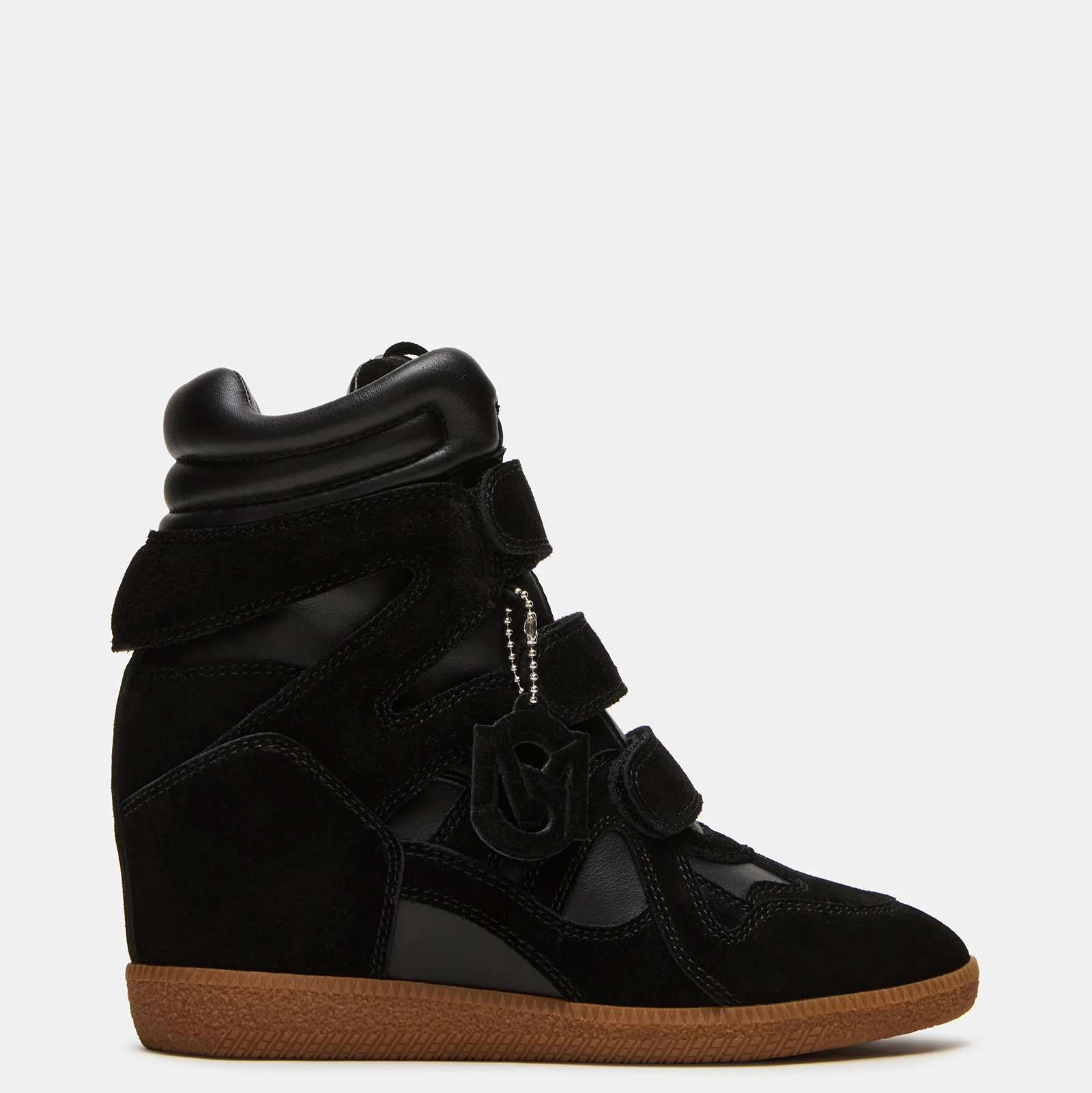
Fashion doesn’t always have to be made up of luxury name brands. Steve Madden’s Mavis shoes are a sister pair to Isabel Marants but with a lower price. They look almost identical and the Steve Madden Mavis have a haute chain detail attached to its straps.
The colors Black Suede and Faux Fur Brown Distressed are the most versatile colors they offer. The brown sole of the Mavis Black Suede’s highlight the color of the shoe, delivering extra charisma.
#3 Steve Madden Maxima Black Rhinestones
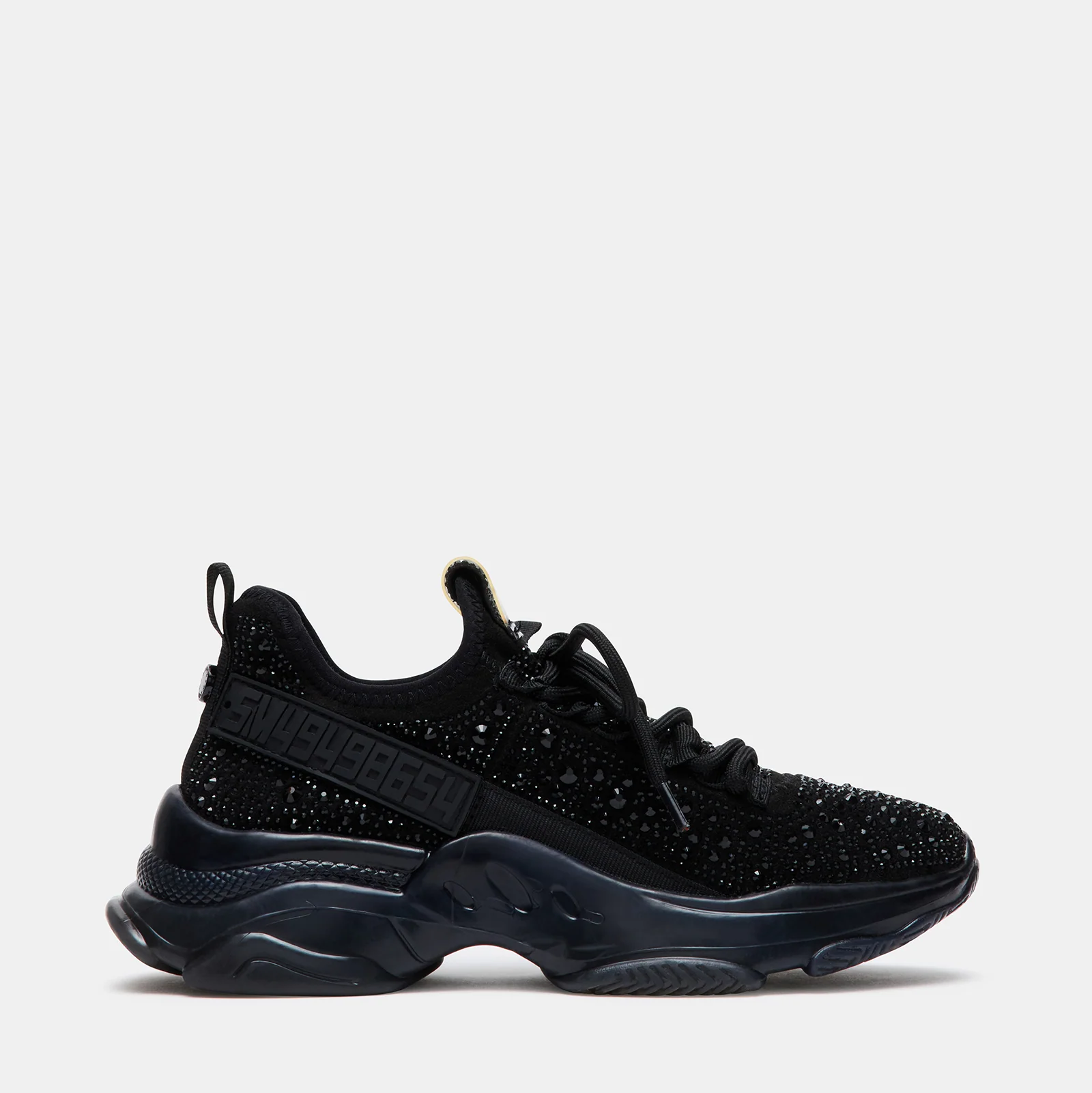
Steve Madden’s Maxima sneakers are distinctly stylish. The shoe is covered in black rhinestones that can only be seen in the light. There are no highlights or linings on the shoe, which adds sleekness. Highlights on a solid colored shoe can sometimes take away from the sneaker—making it look more sporty than fashionable.
The rhinestones take away from the athletic shape of the shoe and place them into a different category. They take casual to another level, placing comfort in the hands of vogue.
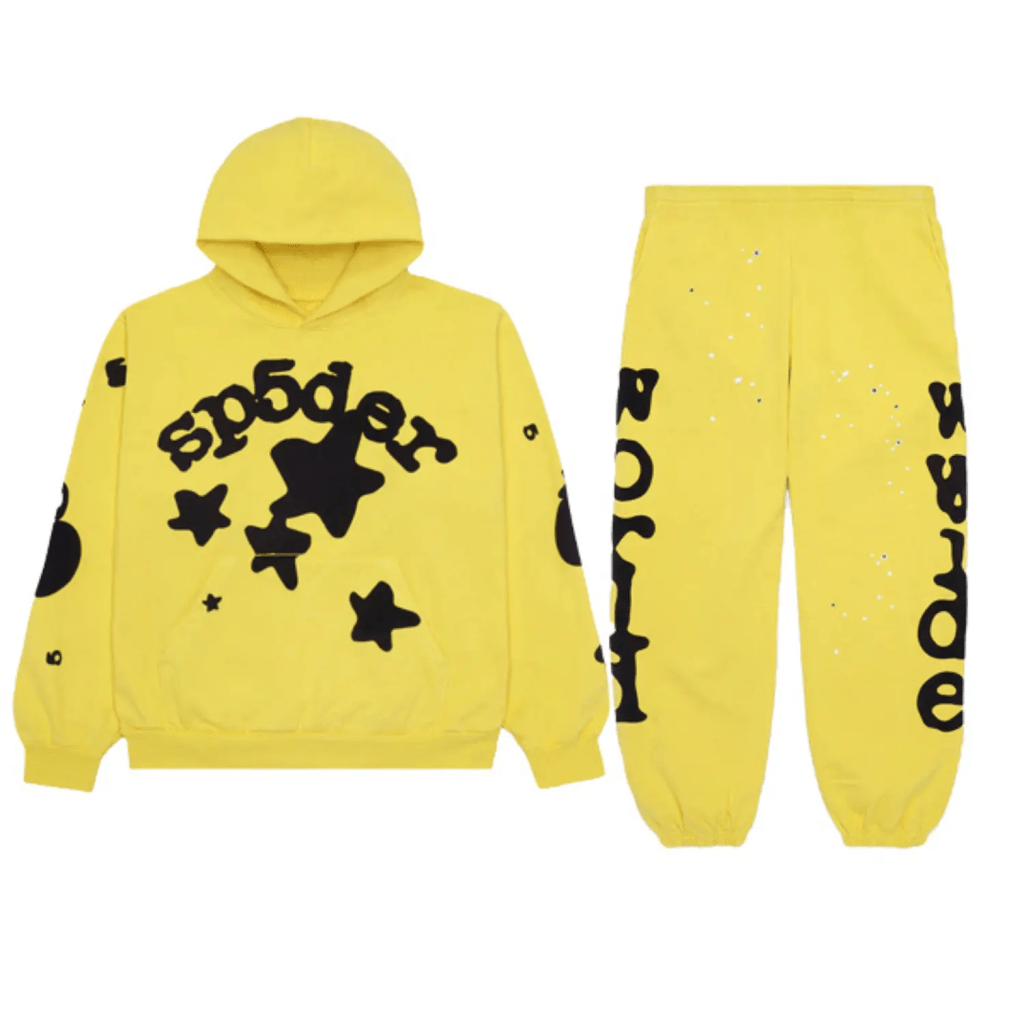
#4 Sp5der Beluga Tracksuit in Gold SS23
The Steve Madden Maxima Black Rhinestones paired with a baggy tracksuit would flow together. The Sp5der Beluga Tracksuit in Gold would pair well with these sneakers, matching the black shoes with the black lettering on the suit.
Gold is bold—allowing a simple outfit to look notable. The scratchy text fuels the street-wear look, which is anomalous to the ongoing trend of simplicity. It brings back the excitement fashion is meant to propel.
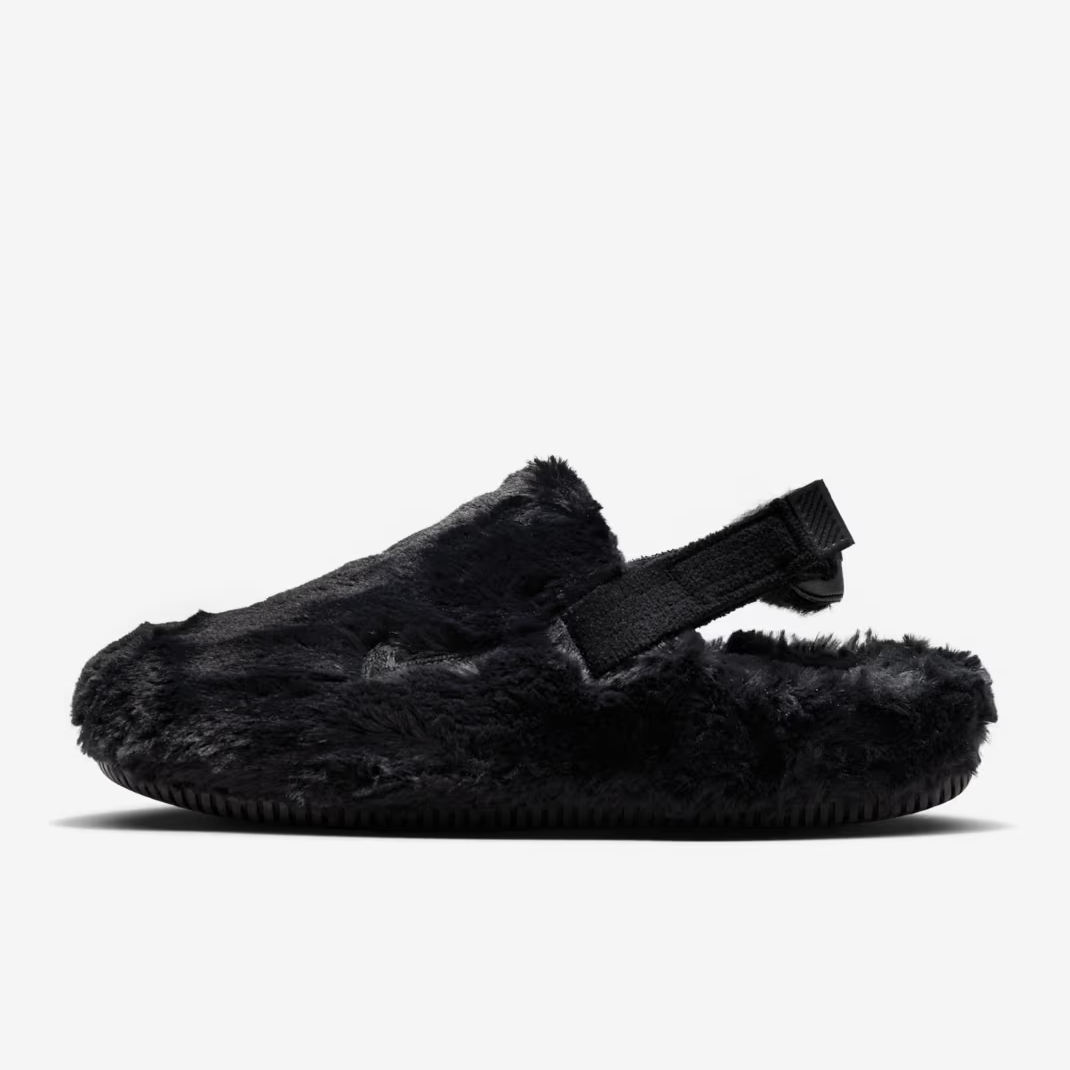
#5 Nike Calm SE
Choosing the right pair of shoes is key to an upgrade in fashion. The Nike Calm SE’s are a pair of slides that bring both simplicity and intricacy. Their body being covered in fur allows them to stand out from the sea of slip-on shoes. They also have the NIKE symbol engraved into the sides of the shoes—staying branded without excessive advertisement.
They’re easy for on the go while also keeping your outfit intact. The sole of the slides lift the shoe off the ground—halting the fur from dragging on the floor.
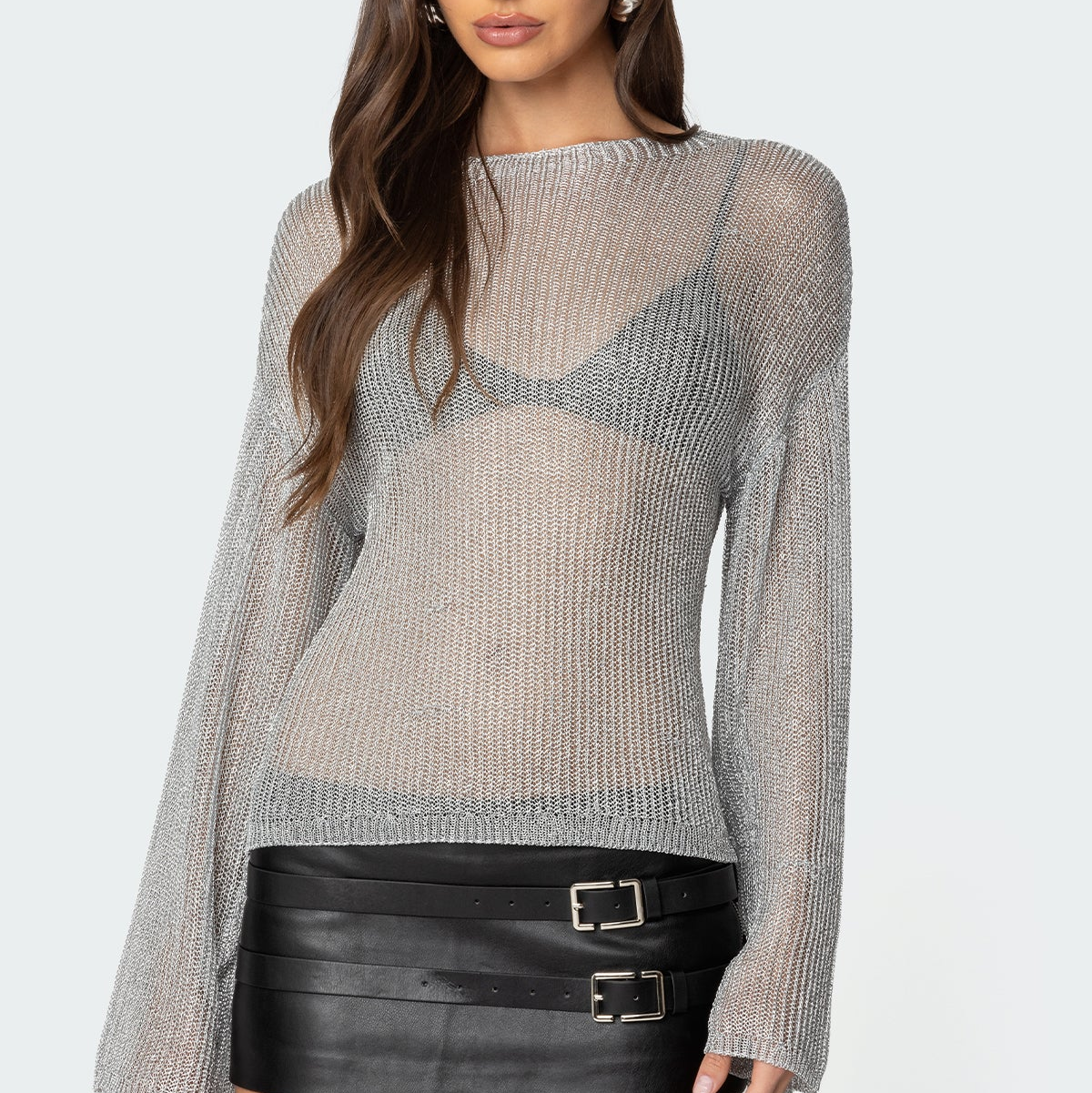
#6 Edikted Drop Shoulder Sheer Knit Sweater
A semi-transparent sweater is edgy in an exciting way. Edikted’s Drop Shoulder Sheer Knit Sweater fits the body without being skin-tight. The top tied with a bralette underneath adds a Hollywood-esque aesthetic. It’s controversial and ostentatious—exactly what fashion is meant to be.
A bright yellow bralette would be enticing underneath the sweater. Adding daring colors turns the look into a celebrity piece. The sweater already has an immodest flare to it and though black is trendy, it’s too basic of an undergarment. Bold yellow mated with a dark red miniskirt and bright yellow heels would guide the outfit away from becoming average.
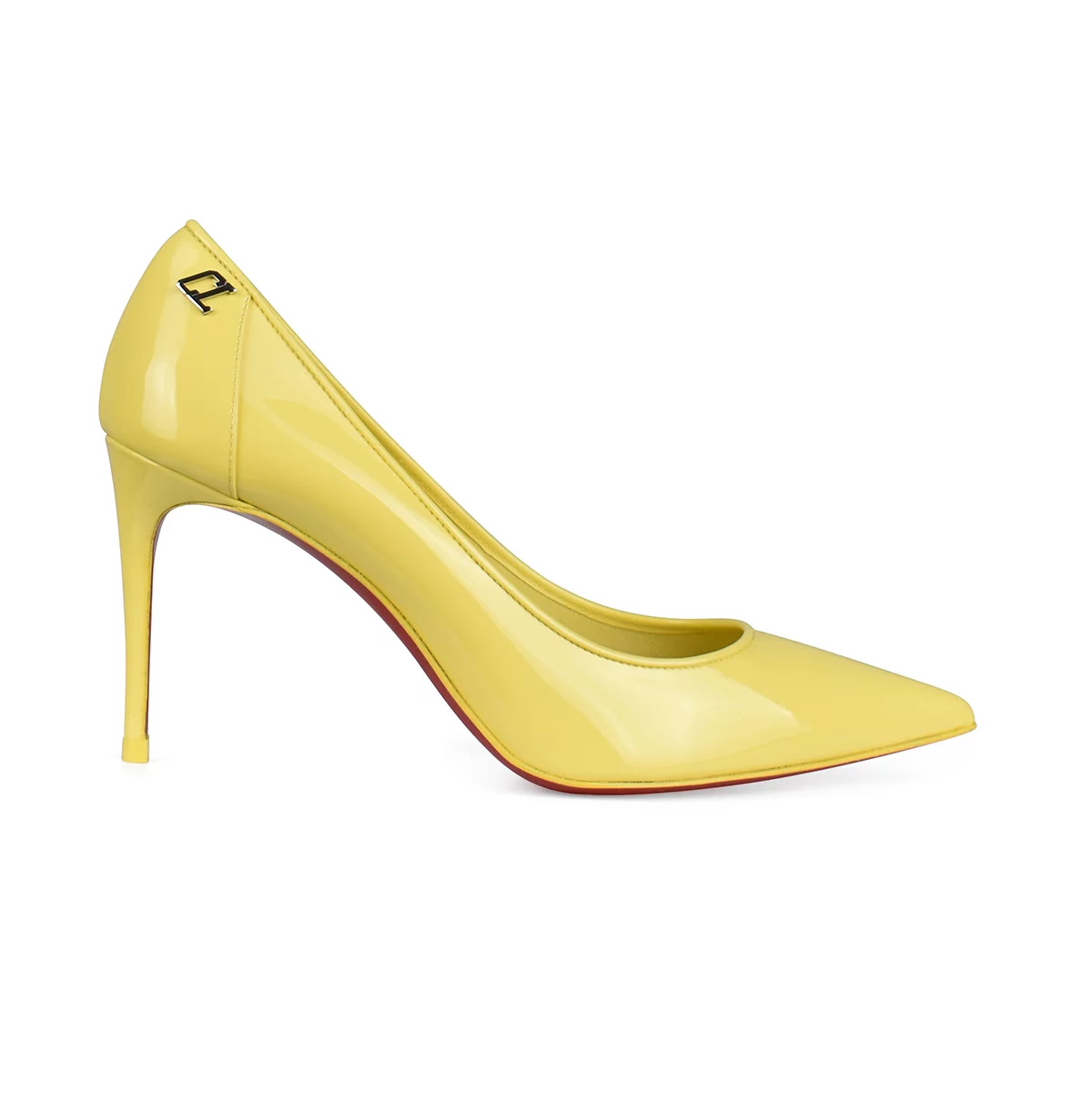
#7 Christian Louboutin Sporty Kate in Yellow
Sporty Kate Christian Louboutin’s are chic apparel. They flow perfectly with the yellow bralette and red miniskirt. The red bottoms add an expensive flare due to their trademark. The yellow is bright but it isn’t neon, taking it away from looking low-quality.
Christian Louboutin has their symbol positioned on the outer-edge of the heel; keeping them simplistic and allowing their color to do the work. The yellow paired with the red bottom makes them a one-of-a-kind heel. They’re only seen on a selective amount of people, adding to their charm.
Fashion should be exciting, unique, and admirable. It shouldn’t always be what’s trendy. Fashion is a spectrum—it can be simple, so that it can be curated by everyone, but it should always steer from being basic. Art is far from basic.
Basic is mundane and requires outside factors to be seen. Bold is striking—it doesn’t depend on status to be alluring. When executed with intention, boldness signals authorship.
Fashion is an art that should be participated in, not simply followed.
Conservatism has been a recent topic, especially for celebrities in the media. Government officials are promoting the idea of converting into a republican conservative. Books like The Great Gatsby, 1984, and Animal Farm are becoming more prominent in reality. Rights are being stripped away, discrimination is becoming normalized, and conforming to past hierarchies are being pushed.
A celebrity who has been breaking the internet with their recent switch is Nicki Minaj. An artist who grew her fame from being different and promoting diversity has since shifted into conservatism. The reason this change is so shocking is because Nicki Minaj’s views on politics, gender, sexuality, and world rights have changed dramatically. Her views now are contradictory to the views she was once known for.
“It’s okay to be a boy”, she stated to the audience at the Turning Point USA “AmericaFest” conference. Nicki Minaj has appeared to have pivoted into supporting MAGA and Donald Trump, an individual she has been known to not like in the past. Her remarks on stage received a significant amount of backlash due to the comment contradicting her past remarks of her support to the LGBTQ+ community.
Minaj has also made an appearance on the show RuPaul’s Drag Race, a competition show to see whose drag makeup, costume, and performance is the best. The majority of Nicki Minaj’s fandom is made up of women and the LGBTQ+ community, so her switch was disheartening to a lot of her fans.
To stabilize and grow their wealth, it’s been pushed by celebrities to denote democratic ideals. Sydney Sweeney and Elon Musk are another set of celebrities who are examples of this.
In July of 2025, the actress Sydney Sweeney was seen in a commercial for American Eagle using the tagline “Sydney Sweeney has great jeans”. The use of “jeans” in this statement was wordplay for “genes” being that in the commercial Sweeney spoke about how genes are passed down from parents to offspring. She also states in the commercial, “My genes are blue”.
Sweeney has faced racial controversy due to the ad campaign because of the remarks of her having good genes and her genes being blue. Many referred to the comment as being blue blooded.
Blue Blood refers to being an aristocratic—born into privileged and powerful families. The term’s roots stem from racial and class distinctions. Aristocratic Castilian families often used the term to distinguish themselves from the dark-skinned working class. The idea was that due to their fair and untanned skin, from not working outdoors or being of a different race, their veins appeared blue.
Later, President Trump tweeted on twitter a comment about Sweeney’s ad stating, “Sydney Sweeney, a registered Republican, has the HOTTEST ad out there,”. Sweeney said the comment was a surreal moment for her.
When spoken to about the ad bringing controversy towards genetic superiority and asked to clear the confusion, Sweeney stated “I think that when I have an issue I want to speak about, people will hear”. Essentially, the actress refused to apologize for any racial confusion her campaign brought.
As mentioned before, Elon Musk has used the denoting of liberal values for his personal benefit. Elon Musk and President Donald Trump are known to have had a relationship at the beginning of Trump’s second term. Musk used this relationship to his benefit, incorporating the president’s ideals and supporting MAGA.
Musk donated to many of Trump’s presidential campaigns before his election. He was later appointed in a statement by Donald Trump on November 12th, 2024 to lead the Department of Government Efficiency (DOGE), giving him a larger scale of authority. Trump’s statement, which has been documented on The American Presidency Project, reads, “I am pleased to announce that the Great Elon Musk, working in conjunction with American Patriot Vivek Ramaswamy, will lead the Department of Government Efficiency (“DOGE”)”.
This relationship was a significant factor in Trump’s victory to presidential status. Musk’s net worth also increased significantly after his endorsement to President Trump’s presidential campaign, as well as his many companies gaining regulatory changes under the current administration.
The battle between democrats and republicans have become more complex over the years—especially since President Trump’s first election. The introduction of MAGA is overpowering the Republican Party. It’s no longer political, it’s become chauvinistic.
Through trials and tribulations of trying to mold our society into a place of equality, it’s being promoted to revert back to what we ran from. A prime example would be President Trump’s removal of DEI; Diversity, Equity, and Inclusion, which is the framework that fostered equality for people of different backgrounds and races in organizations. The glorification of wealth is one of the many reasons for the ability of rights to be removed.
America has the habit of idolizing wealthy people and putting them on a godly pedestal. The concept of worshipping a human-being is extremely dystopian. Especially human-beings who are benefiting from the suffrage of a community.
I find that MAGA is amplified solely because it’s believed to benefit all of those who support it. The imagined belief that “they’re just like me, so they’ll help me”. That belief will never be reality, instead it only fuels oppression and weakens opportunity for the average person. The average person being the majority of America.
It isn’t surprising that celebrities are converting to MAGA conservatism. The more wealth that is accumulated, the more you wish to earn. They’re simply trying to keep their wealth while growing their status by associating themselves with a bigoted political force. There’s power in wealth and that power is used for personal gain disguised as societal progression.
Regression in America is sought after by MAGA conservatives. Their support pushes forth the possibility of this country being governed by one puppeteer. An individual who shows no interest in helping the people and only seeks to endorse their echo chamber. The process of turning a stolen land into a home for oligarchy has only just begun.
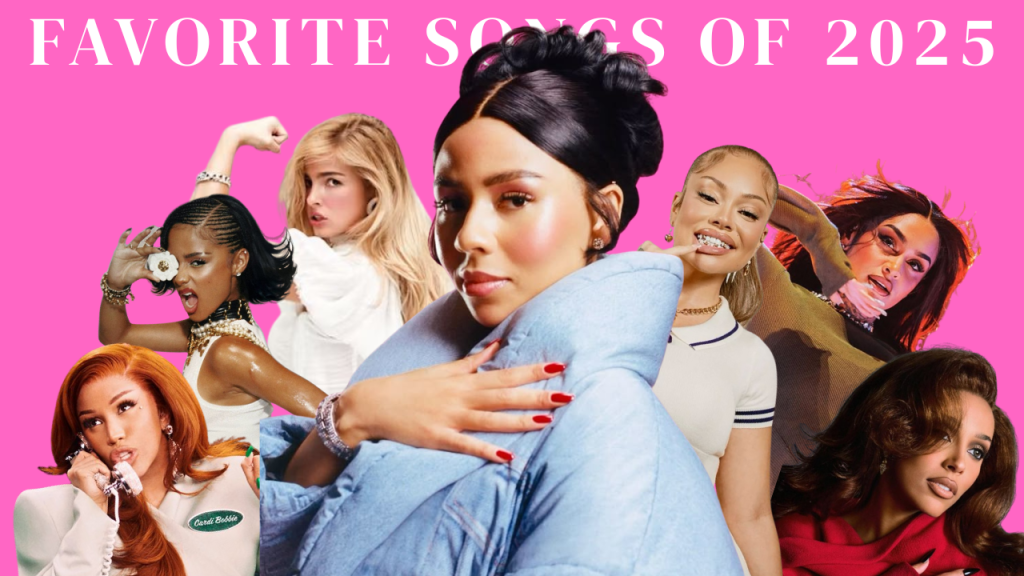
2025 was filled with a rise of new artists and hits from our favorites. I’ve listened to so much music this year, new artists and old. With the year coming to a close, I’ve decided to recollect on My Top 10 Favorite Songs From 2025.
#1 Money Is Everything – Addison Rae
Addison Rae is a new up-and-coming artist whose music has been trending all over TikTok. From once being a TikTok star to now making her way to the Grammy’s, she’s been all over my playlists this year. Her newest album “Addison” has been my favorite due to her tapping into an early 2000’s sound. Her music is fun and gives that teenage-dream energy, which is why I love Money Is Everything.
#2 Burning Blue – Mariah the Scientist
Mariah’s music has been making its rounds in my playlists since 2023. Burning Blue was on repeat for me at the beginning of 2025. The song is not only relatable, but her vocals are fluid. The melody towards the end of the song is heavenly and the mix of orchestra and bass accentuates her voice.
#3 Somebody – Latto
Latto did her big one with Somebody. Her first verse is said in a pattern that tickles my brain. Her verse pace goes well with the beat, which makes it so satisfying to listen to. It’s easy to sing along to and the chorus stays in your mind. The visuals for her music video and song cover are also aesthetically pleasing.
#4 Nice Guy – Cardi B (feat. Tyla)
The mix of Tyla’s vocals and Cardi B’s rap played so well together in Nice Guy. I love Tyla’s verse and chorus. Hearing her rap as a singer showed her duality as an artist. Cardi made her verses relatable and her voice matched the beat perfectly. The beat also makes me sway—I love a beat that can make me sway.
#5 CHANEL – Tyla
I have been loving Tyla since her song “Water”. CHANEL had mixed reactions when it first came out but I was attracted to it from its release. It sounds different from Tyla’s other songs but it still stays connected to her brand and roots. The theme for this song is completely different from her previous albums and I love it. It’s exciting, expensive, and bold. It makes you feel confident just listening to it. The song is perfect for dancing, it makes you want to get up and start moving. Regardless if you know how to dance or not.
#6 Gorgeous – Doja Cat
I’ve always been a fan of Doja Cat’s music. I find her to be an interesting rapper because she’s also a vocalist and dancer. None of her songs sound the same and she holds an abundance of versatility. Gorgeous shows confidence in a subtle way. It doesn’t showcase conceit but establishes that she’s stable. She also uplifts the listener as much as she’s uplifting herself. The beat is different from the average rap that I hear. There’s jazz accents as well as pop. Add that with rap and it’s a beautiful piece that’s unique and showcases the creative aspects of Doja Cat.
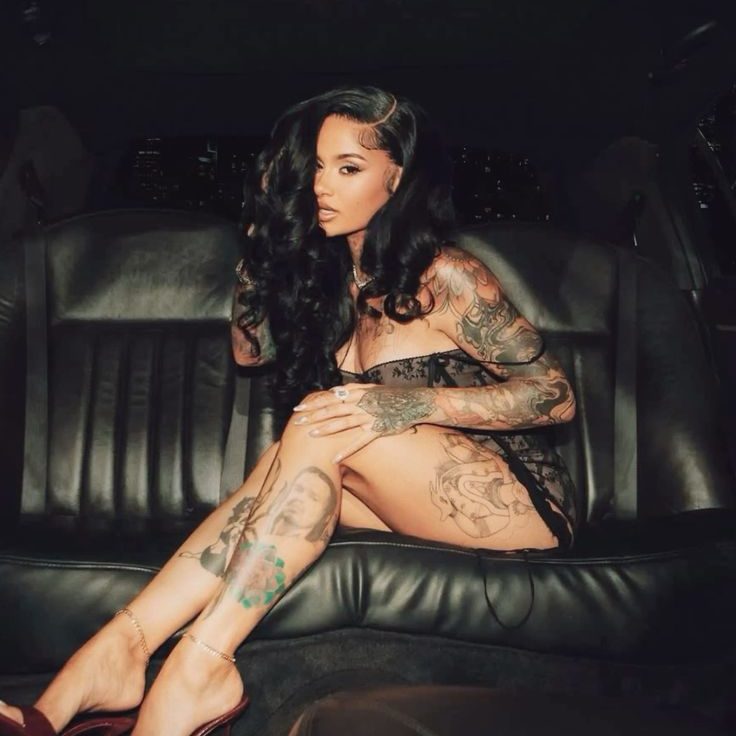
#7 Folded – Kehlani
Folded was my most played song this year on Spotify. The melody and chorus is what truly got me. I love Kehlani’s voice and tone. It’s mesmerizing without being overbearing. The chorus leaves room for dancing while being slow enough to relax too. It’s no surprise why this song plays so often on the radio.
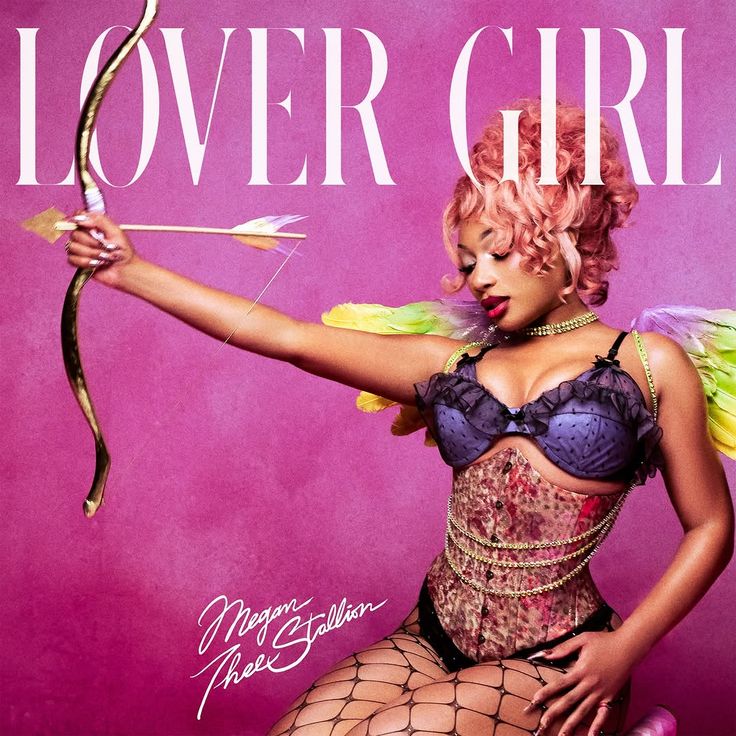
#8 LOVER GIRL – Megan Thee Stallion
Being a girl in a relationship, I love Lover Girl. Yes, some lyrics are a bit vulgar but that’s Megan. While still being herself and keeping her tone, she created a song that illustrates how she feels currently. You can tell by the song that she’s going through the best right now. The chorus is addictive and can stay in your head all day.
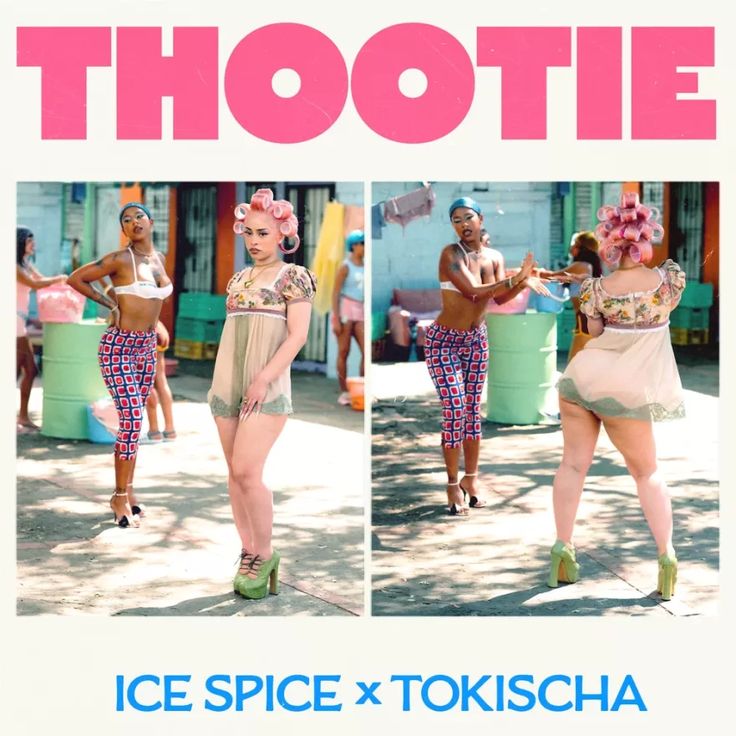
#9 Thootie – Ice Spice (feat. Tokischa)
Though a lot of people aren’t a fan of Thootie, I find it super catchy. Ice added accents of her Latina culture with Tokischa while keeping her New York flare. Tokischa mended her Spanish and English verses so well. Her voice is extremely satisfying to listen to. Hearing Ice Spice rap in Spanish was nice to hear. I love that she’s tapping into herself more in her music.
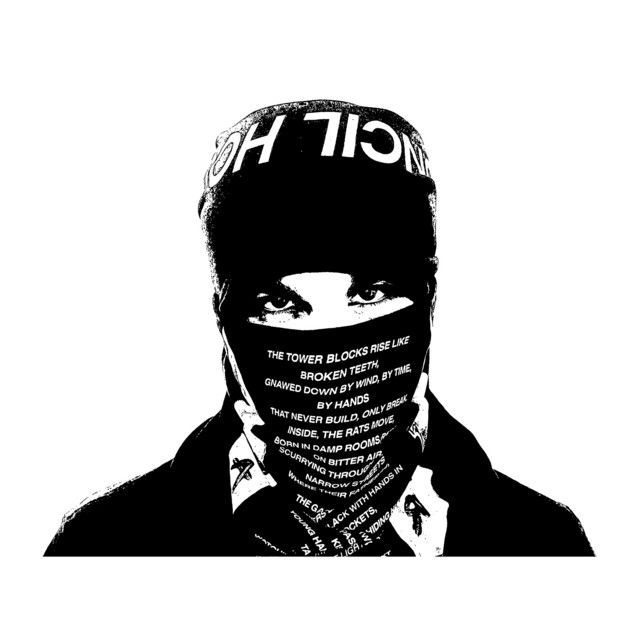
#10 4 Raws – EsDeeKid
EsDeeKid is a new up-and-coming rapper. He was once underground but from his TikTok exposure and his identity curiosity, his music has been trending everywhere. His supposed connection to Timothee Chalamet has also helped boost his career even more. I was just recently introduced to 4 Raws through TikTok. It’s different from the average UK rap due to how strong EsDeeKid’s scouse accent is. His voice goes so well with the beat and it tickles my brain just listening to him.
2025 has been a great year, especially for many artists in the music industry. I’m excited to see the Grammy’s and the rise of more new artists in 2026. Merry Christmas and Happy New Year!
People who enjoy art have often imagined themselves making a living from it. The ultimate question, “Can I make this my career?” creeps into consciousness.
The love for art is so large that the desire to live off of it ignites. After working towards getting your creation seen, it starts to become draining. Eyes are either not looking, or they are looking, and now more profound creations need to be made.
Trying to make something that is better than your last is difficult. It becomes frustrating when it doesn’t work, and that frustration later leads to burnout. Then an artist will find themselves letting go of their passion. The same thing occurs when we start to squeeze revenue out of our creativity. Leading to an endless climb up the financial ladder.
Our ideas no longer come from the eyes of creativity but instead from the minds of a profitable enterprise. Art is lifeless when its origin isn’t from the soul.
Artists easily get trapped in the idea that what’s created needs to be appealing. So, art is often edited to be understood by those who don’t seek to understand. This takes away from the natural aspects of creation, the original thoughts and feelings of the artist.
What makes art so unique is the versatility within the art pool. There are so many artists, each with their own quirks and specialties. To blend them all together and create a single concept of art takes away from their meaning.
There would be no point in museums or galleries because everything would look the same. Music becomes repetitive, and literature lacks substance.
Art is becoming obsolete due to a lack of ideation and vulnerability. Ideas are being mimicked instead of created. The artist’s voice is hidden—hidden so that the art can be appealing, appealing so that it can be profitable.
Living off passions is difficult in a society that worships revenue. Flames die due to the constant chase of success overpowering the love for innovation. We’re in an artistic recession that won’t cease until we become comfortable with ourselves.
Art isn’t meant to be easily replicated. It’s difficult, it’s distinct, and it takes time. Most importantly, it’s vulnerable. It’s meant to be a visual of the human’s ability to create from imagination.
Creating what the soul desires is frightening. Yet, continuing to create what you want, regardless, is compelling. That is art.
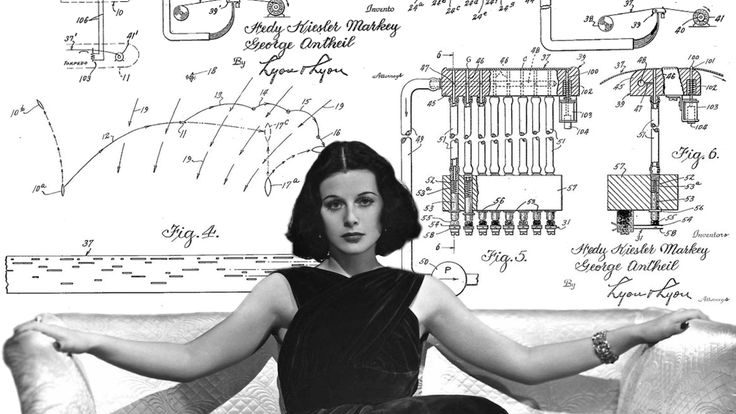
Photo of Hedy Lamarr taken from @malintzink on Pinterest
I yearn for knowledge. I crave it more than anything, to know all that I can. There’s something so appealing about a person who’s educated. They know of literature, they’re good at math, they understand science, and they can restate history.
The concept of self-learning is remarkable to me. It’s far more complex than learning from a teacher. You’re teaching yourself subjects you don’t know and that you’ve yet to understand. That alone is impressive–the dedication to education. I wish to be knowledgeable not just in the field of my study.
To have a brain and to not want to expand it is ludicrous. I never understood those who refuse to learn. Sure, it’s difficult, but is it not rewarding? The statement, “I’m never going to use it, so why learn it?”, is blatant ignorance.
Of course you’ll use it, just not in the ways you’d imagine. Opportunity will arise in conversation, even in your career. To know culture is to understand people. To know literature is to understand language. To know history is to understand the world. To know math is to understand function. To know science is to understand creation. No form of knowledge is useless.
The most beautiful part of knowledge is that it’s infinite. You’ll never know it all, no matter how much you study. It gives the world such mystique that it’s alluring. There’s nothing more exciting than learning something I had no idea about. Second to that is sharing the information I learned. Teaching someone something I was once taught almost gives me déjà vu. The remembrance of that moment of learning.
The fact that we’re more than capable of learning beyond our means is a gift not celebrated. If anything, it’s rarely used. Even pushed away due to its intimidating concept. Knowledge is power—that’s why the highly educated are demonized. They’re seen as threats to the government and malicious to the world. Socrates, Ken Saro-Wiwa, and Chico Mendes are all examples of individuals who were killed for their knowledge and opposing worldly beliefs.
Socrates was forced to drink hemlock, a poisonous flower, in 399 BCE due to his philosophical ideas “corrupting the youth”. Ken Saro-Wiwa, a Nigerian writer, was murdered in 1995 by the Nigerian government due to his activism on oil companies damaging the environment. Chico Mendes, a Brazilian environmentalist, was assassinated in 1988 due to his attempts at stopping exploitation of the Amazon jungle.
The danger behind knowledge and questioning, though scary, makes me seek it more. A weapon I can craft myself and house internally—why wouldn’t you want it?
Education should be abused rather than misused. Advantages should be taken when given the opportunity. Knowledge is a weapon you die with, it can never be taken away. I aim to learn everything and never stop asking questions. My mind will continue to build until my last breath. For, that’s what it’s meant to do.
Wasting natural abilities is a waste of self and a lack of drive.
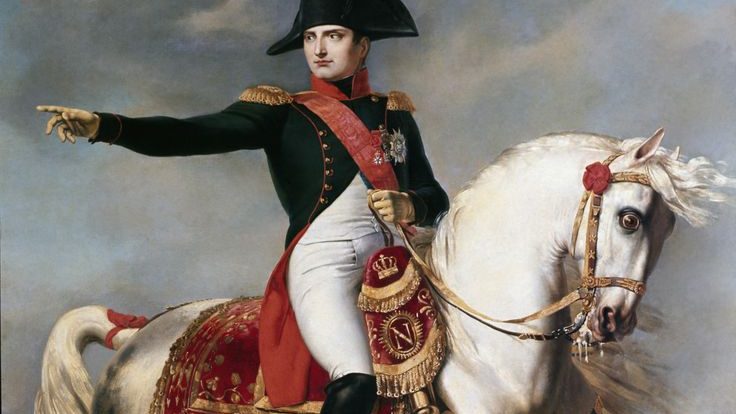
Photo of Napoleon Bonaparte from @taylormade2pt0 on Pinterest
Kanye West, P-Diddy, Donald Trump.
These are all individuals who have accumulated extreme amounts of fame and wealth. All of their ways of climbing to the top have their similarities. One thing they all have in common is deluded self-confidence. When they want something, they get it, regardless of what they have to do to get it. Their fortune ultimately came from their overconfidence, but so did their downfall.
So, I came to wonder: Is overconfidence the key to ultimate success?
When looking at the most successful people in the world, you notice something in common. They believed they can achieve their goals. John D. Rockefeller believed that confidence determines success. Warren Buffett had such confidence that he never doubted he’d be rich.
With self-belief, it’s far easier to get out and start doing things. Achieving high aspirations doesn’t seem as difficult because you have this extreme belief that you can reach them. It’s a mindset that leaves no room for doubt. So embarrassment falls flat, and the fear of failing is nonexistent.
Kanye, for example, is an artist who is overly confident in himself. He wholeheartedly believes that he can achieve everything and anything he wants. In an interview, someone asked Ye if there was any limit to what he believed he could achieve. His answer was “no”. He continued by saying, “If I were to quit rapping and say I wanna go to the NBA, I would be in the NBA—cause I think I could do anything.” But there’s a downside to everything. With confidence comes ego.
With his pride, Kanye didn’t just lose billions—he lost connections; undone by the exact thing that created it. In October of 2022, Ye lost an estimated $2 billion in one day due to his antisemitic comments. Antisemitism is classified as a form of racism towards Jewish individuals. Ye’s racist behavior is a public display of how egotism can easily destroy success.
When connecting racism to ego, many have stated that racism is a manifestation of egotism. James E Washington is part of The Race Card Project. He promptly stated in a 2022 article that “The ego thrives on identification and separation.” You can categorize an individual apart from yourself. This is particularly true when you deem that person as less. This process is exactly what egotism and racism do.
People with high egos tend to be narcissistic, believing that they are superior to other people. Psychologists call this Illusory Superiority, which is a cognitive bias where people believe they are better than the average person. Challenges do not exist for them. They simply believe they do not have them. It’s the false sense of invincibility that leads to demise.
Consider Napoleon Bonaparte, the French general who led the military during the French Revolution. Napoleon was an individual known for his excessive self-confidence and arrogance. His military victories fed him the belief that he was undefeatable. This later caused him to approach wars that shouldn’t have been touched with a six-foot pole. His pride led him to act irrationally. This resulted in many losses. These actions included his invasion of Russia in 1812 and the failed Continental System in 1814. With these losses came the fall of his empire and his exile to Saint Helena in 1815.
Overconfidence makes messes that are extremely hard to clean up. It’s like trying to get an oil stain out of a T-shirt. Even though it can help build success, it can easily create a beast that’s hard to tame.
But what about us ordinary people? Is realism better than overconfident delusions when creating success for people who aren’t in the limelight?
Being in the limelight makes it far harder to get away from certain things. One comment and your entire career can be over. Yet, for ordinary people, it’s easier to get away with having delusional levels of confidence.
Delusions are beliefs that fuel us to strive for what we want. It gives us self-belief that we can conquer hard things. Without belief, we are less likely to work as hard. Being realistic with everything can leave us stagnant because realism is like a protective shield. It protects us from the dangers of following our dreams, but also confines us from growing. Though realism can confine us, it can also keep us humble—especially when success has already been made.
If you think about it, humility is a mixture of self-confidence and self-doubt. You believe in yourself, but you are also modest enough to know you may not get what you want. With humility, it’s easier to house realism in our fantasized beliefs, but it can keep a high ego at bay. It’s the mediator that stabilizes narcissism and diffidence. To be stable in one’s self to achieve success, being humble without confidence won’t work. Yet, being confident without humility will only lead to destruction.
So I’ll leave us off with this question: Realism has the potential to hold us back. Overconfidence can destroy us. Are both confidence and humility key in order to grow and maintain success?
Overconfidence helps build success due to the never-ending self-belief, but it feeds our egos. Humility keeps us grounded, managing our egos from overtaking our identities. So, confidence with humility is the key not only to grow but also to keep success.
Recently, I’ve felt an urge to simplify my life. This realization struck as I walked into my dorm room. I saw how much stuff crowded my space. There were knick-knacks on my desk and a bed piled with pillows. Bookshelves were overflowing and there was barely any space to move without knocking something over.
Every day, I find myself overwhelmed by the amount of stuff I have to tidy and clean. Just waking up in the morning is stressful because of the amount of bedding I possess. Looking at my closet, I have so many clothes that I don’t even enjoy wearing. The majority of which aren’t comfortable and make me feel nice.
Reflecting on my belongings made me see that I over-consume. I often buy things simply because they are popular, not because I truly need or enjoy them. This habit, I realize, comes from searching for identity—using objects to define myself. But instead of fulfillment, I am left with a collection of trinkets that do not bring purpose or meaning.
Subconsciously, this clutter also removes space in my mind, leading me into a disorganized consciousness. Then, I find myself yearning for a minimalistic lifestyle, though I enjoy new things. I want fresh items that are specific to me without holding large amounts of space. Items that are unique without later becoming mundane due to trends subsiding.
I would think the first place to start is to clear my space so that clutter can free my mind. But I tied my money to things, so it holds me back from simply throwing things away.
It’s a waste of money to discard items that aren’t broken. Though I wasted my money to begin with when first purchasing said items. I place my worth in material possessions; a confession I have always refused to admit. It covers the engraved question of who I am.
I feel solid when I get something new, but later dissatisfied when I realize I never wanted it. What intrigues me most is that I’m hypocritical enough to call others materialistic when I hold items in high regard. Probably far higher than others I speak to. The mind can be unconsciously judgmental.
Having the desire to want less has brought forth a new level of consciousness that I didn’t have before. It’s self-reflective because I’m forced into an evaluation of my life. I realize that possessions aren’t the only thing I need to have less of. What is often missed in videos about minimalism is the philosophical aspects.
The release of belongings can free one’s mind. It isn’t simply about turning your home into an all-white asylum. Minimalism leads to a form of tranquility I’m not used to. With more space, I’ll have room for exploration. To find myself and better understand my identity.
In Hollywood, aging is treated like a scandal instead of a natural part of life. Every few months, there’s a new product that’s supposed to get rid of wrinkles, tighten your skin, or plump your cheeks. On top of that, people get Botox too. The craziest part is that people are now injecting areas that no one talked about ten years ago. We have neck lifts, chin tweaks, nose injections — every facial feature has become ‘fixable’.
Celebrities like the Kardashians are walking advertisements for this. Look at Kris Jenner—she’s being praised all over the media for looking so good at 70. Her face has become a symbol of Hollywood’s obsession with turning back the clock. Celebrities and influencers, like the Kardashians, are promoting getting work done to keep their youth and to stay within the beauty standards. The idea of looking young forever is geared only towards women. It’s like aging naturally is treated like a failure. When women in Hollywood age publicly, the Internet treats it like breaking news.
Hollywood is using youth to make currency, and women pay the highest price for it. Brooke Shields is an example of women hated for aging. She has spoken about the hate she’s received because of her age on numerous occasions. She even wrote a book titled “Brooke Shields Is Not Allowed To Get Old”.
In her interview with Allure, she mentioned that people would tell her kids how beautiful she used to be. For society, the moment you age is when your beauty fades. Women are criticized, not for aging poorly, but for aging at all. Your beauty is now a memory people choose to be nostalgic over.
Cosmetic procedures aren’t the only anti-aging process advertised. Just scroll through TikTok. There’s always a new skincare product marketed to keep women looking youthful and iridescent. I mean–ear seeding, really? We go to the extent of poking tiny needles into our skin just to look young. Look at micro-needling; everyone in Hollywood has had it done. Spending thousands on skincare products and regimens to fit the media’s image.
We even have anti-wrinkle straws. Literally, drinking a certain way just so that we don’t age. Retinoid advertisements are everywhere, and collagen masks are encouraged for sleep. I, at 18 years old, have fallen for some of these anti-aging products. I don’t have a wrinkle in sight. I haven’t even finished growing, and I’m slapping on anti-aging creams and sleeping with facemasks.
This concept led me to think. The epidemic of children flooding Sephora for skincare products stems from this anti-aging “trend”. Think about it! Kids are buying skincare products for “problems” they won’t have in decades because they’re being advertised by their idols on social media. Surprisingly so, they’re easily influenced. So, now we have 10-year-old’s plastering retinoid all over their face, irritating their skin for no reason. When influencers panic about aging, kids learn to panic too.
Hollywood is always portraying aging in women as if it’s some disease. This idea made me wonder, where did this idea spark from–who lit the match? Women end up doing the most to look young. It isn’t because they genuinely want to for themselves, no matter how hard we portray it as self-love. It’s because there are standards that need to be upheld. In Hollywood, you must fit ideals that appease men. This is essential if you want to make it in the limelight. The first step to fitting the standards is to be young.
Youthfulness is glorified and placed on a pedestal. Men place it on that pedestal and women upkeep it. There used to be a time when men only ever married teenage girls in America. Then they’d leave them once fine lines started to emerge. Even today, big-time celebrities are being exposed for dealing with younger women, disturbingly younger. It’s all because men value youthfulness. Even when an older woman gets with a younger man, the hate train runs her over. People are appalled by the idea of an older woman and a younger man. Though, for a man’s case, it’s often applauded.
We, as women, are following the beauty norms set by society and pretending that we’re doing it for ourselves. Then many of us blame each other for being male-centered, as if we don’t know that we’ve been conditioned to be that way. We as women need to stop dusting the pedestal and help each other stand.
We’re living in denial–that’s why there’s so much insecurity amongst us women. That’s why we’re seeing celebrities becoming thinner and their faces changing little by little each year. We even adjust ourselves to fit the man we’re currently seeing—to keep their image. Kourtney Kardashian is a prime example of this; her entire look changed when she married Travis Barker.
Kourtney’s look changing overnight entertains the idea that a woman doesn’t have a personality without a man by her side. It’s as if women would be nothing without them. We find ourselves feeding into misogynistic views unconsciously when we follow male-centered trends.
It will never end because trends constantly change. Standards always change, and procedures evolve with them. People will always have opinions about women. So, the chase of perceived beauty will be infinite. You’ll run after it forever until your legs break. It’s a shame that we promote feminism and still find ourselves centering our lives around appealing to the opposite sex. The pressure we put on ourselves as women is feeding into society’s sexism. Women are far more than appearance; we hold so much. We need to start embracing ourselves without the arms of men.
Aging is an indication that you have lived–that’s the whole point. If anything, aging is a flex. We should use women like Audrey Hepburn, Linda Hamilton, Tracee Ellis Ross, Meryl Streep, and Jamie Lee Curtis as examples. They should be our influences. We should embrace aging rather than discourage it. Nature can’t be fought—It’ll show no matter how many procedures or products you go through. As Audrey Hepburn once said: “I’ve earned every one of those wrinkles”. Aging is an award not given to many — let’s treat it as such. The power age holds does not warrant an apology.
Self-care is horribly portrayed on social media. The entirety of self-care and self-improvement videos on TikTok are just girls doing their skincare, drinking water, or walking on a treadmill. Though all of these things are great, essential even for a smoother day, they aren’t what help you transform into your best self. They’re simply parts of a routine, they themselves won’t develop you as an individual. It kills me that I rarely see any videos on how to truly “glow-up”. Instead the videos are just showing the Pinterest aesthetics of self-care. It’s all just eye candy–for views because people enjoy watching others indulge in healthy habits. I myself enjoy watching others do healthy habits while in bed. The videos can be used as motivation, yes–but oftentimes, it’s just entertainment.
There are stepping stones that need to be placed to achieve the goals that you want. So, the routine you found on TikTok isn’t going to work. Routines should be catered to your personal needs and your personal goals. So, how does one work towards being their best self? By creating a personal routine, incorporating discipline, doing mental and physical activities, and allowing yourself grace. Let’s talk about it.
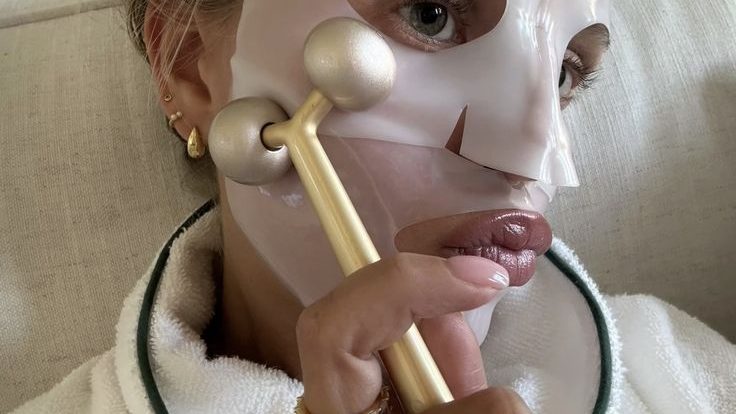
Photo from Pinterest
Creating a personal routine
Creating a routine personal to you can be hard and time-consuming. You have to curate a list of things that you need to do daily, set a time for when you’re going to do it, and actually follow through with it. I’ve failed on countless occasions. But, every time that I had failed when it came to routine was when I created a routine that wasn’t tailored to me. I would often use the routines of others that I found on TikTok or Pinterest.
I would use other’s gym routines because I wanted their body, other’s morning routines because I wanted my morning to look like theirs, so on and so forth. Though there isn’t anything inherently bad about using someone else routine, it can easily become draining chasing someone else. Not every routine is for you. It’s just like skincare–someone’s skincare routine may not be suitable for you. They may have dry skin when you have oily skin, so they’ll use more moisturizing products when your skin needs the opposite. When creating a routine that is personal to you, it needs to be just that, personal.
If you want and need to wake up early, set your schedule to start at an earlier time. Don’t wake up at 4AM if you genuinely don’t need to just because everyone on TikTok is doing it. I’m a victim of this, waking up hours earlier than usual just because TikTok deemed it as “productive”. If you need to be at work or school at 8:30AM, wake up at 6:00AM. That’s enough time to shower, get dressed, have breakfast, do makeup, and leave. Waking up hours earlier can easily lead to burnout and ruin your sleep cycle if you aren’t heading to bed at 8PM every night.
Routine goes for physical activities too. If you want to start going to the gym, create a workout routine that fits your personal goals. If you genuinely don’t want to do weights, then don’t do them. Do pilates, yoga, or even calisthenics instead. You don’t always have to pick up 20-pound weights, you don’t always have to lift. Do sets and repetitions that your body can handle. I myself have fallen into doing more than my body could handle because I’m following someone else’s gym routine. I always ended up hurting myself, tearing a muscle and having to go weeks through recovery. Listen to your body, not the Influencer.
Don’t feel bad either! It’s so easy to feel guilty when at the gym because you’re surrounded by people who can lift large amounts of weight. I used to feel embarrassed because I could only lift 10 pounds. The thing is, no one is paying attention to you. Your body will naturally start to progress when you stick to a consistent gym routine. It’ll become stronger and you’ll be able to handle heavier weights, longer reps, and more sets. So, don’t feel bad if you can’t handle heavy weights right now. Know your limits and what your body can handle so that you can stay consistent with your routine.
Incorporating Discipline
Discipline is extremely important, especially when starting a new schedule. It’s so easy to fall off of patterns when you don’t have self-discipline. Trust me, I’ve fallen off a couple of times because of this. Being lazy feels so good in the moment but it holds us back from the our goals. If you want to become your best self, discipline is a MUST. I like to tell myself, “just do it”, like the Nike ads. Saying this to myself always pushes me into doing what I need to do.
I would love to sit in bed and scroll on my phone all day but that’ll keep me stagnant. So, I push myself to do the things that’ll benefit me. The same should go for negative things as well. When I want to snack on some sweets, I tell myself “don’t do it”. If I feel like skipping out on the gym, I remind myself to stay disciplined. This is having self-discipline–controlling your urges and feelings to do what is right for you.
Photo from Pinterest
Doing Mental and Physical activities
I’ve spoken about the importance of creating a gym routine that caters to your needs but I didn’t mention the importance of creating a routine that trains your mind. You’ve probably seen the self-care videos on TikTok that mention writing down gratitude. This is a great habit but it’s deeper than just writing five things you like about your life. Writing down what you’re grateful for is a great way to start your day. It allows you to appreciate your life. However, it doesn’t help you grow and expand your mind.
Journaling, I feel, is the best way to expand your mind and perspective. When you journal, make sure you’re self-reflecting. Self-reflection allows you to step outside of yourself and look inwards. It’s a great way to get to know yourself; your likes and dislikes, your needs and wants, what hobbies you enjoy, what goals you want to set for yourself. I’ve learned a lot about myself once I started journaling. I also learned a lot about my weaknesses and strengths through certain journaling prompts as well.
I found prompts to be difficult to create when I first started journaling. I had no idea what to write about and the journals I saw on Pinterest were full of prompts that were surface level. I overcame the surface level prompts by asking myself questions that I would ask to a stranger. It was like making a new friend and learning some things about them.
It was refreshing for me because I got the opportunity to understand myself better and to learn things about myself that I wouldn’t have known unless I asked. Journaling became easier when I started doing that.
Reading expands your mind as well and it’s heavily underused.To grow mentally through reading, I always look towards expanding my vocabulary and perspective. So, reading classic literature is the way to go. It’s an easy way to learn new words and to learn new philosophies. The best part is, they’re stories that are engaging and interesting!
Spending at least ten-minutes a day reading will broaden your mind. You will start to see improvement in the way you write, the way you speak, and the way you think. You’ll have more things to talk about with friends and family. You’ll have references stored in your mind for schoolwork, and you’ll be strengthening the cognitive connections in your mind. It’s important to always stay learning so that our minds can be in the best shape for when we age. Think of it as going to the gym but for your brain.
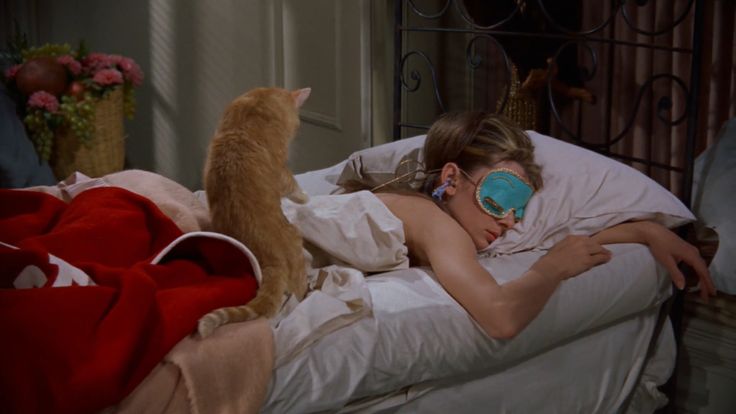
Breakfast At Tiffany’s (1961)
Allowing yourself grace
The most important thing to self-development is allowing yourself some grace. You’re not going to be perfect and there are going to be times when you fall. That’s okay! We have the tendency to give up and to doubt ourselves when we stumble. Stumbling is a part of the process–failing allows us to grow too. When we fall, we’re given the opportunity to readjust; change some things up so that we have a steadier footing. If you push yourself one day and don’t make the target you intended on, that’s okay. Don’t beat yourself up about it. I would always inflict negative thoughts onto myself whenever I failed at doing something. This led me to self-hatred. I gave up on everything I wanted to do. I was afraid of failure. Self-inflicted hatred is the worst and it’ll only lead you into a hole you can’t dig yourself out of.
Allow yourself free-time as well. Free-time to do whatever it is you want to do, to simply relax. Watch TV, eat a little snack, scroll on TikTok. Just don’t allow your free-time to become your day. Working 24/7 without a break is only going to drain you and make you feel like quitting.
I’ve done this time and time again. I’ll be on a working streak and get drained because I’ve eliminated time to have fun. I end up quitting on my goals, and my free time takes up all of my time. Having to start over again is hard, so don’t let yourself go. Give yourself that grace when you fall, it’s okay. Help yourself up and keep going. The journey can only go on if your feet are moving forward.
Stop allowing influencers to control your life. You don’t need to be like the next person in order to be your best self. Dictate your own life. Decide what you need, not what you wish for. Invest time and effort into yourself. Discover what your body needs. Understand what your mind wants. By doing this, you will become your best self. Spend time with yourself, create a routine that fits your body and mind, do what your body can handle without straining, train yourself, stay consistent, and give yourself grace. It’s deeper than face masks and warm baths. Self-development is a lifelong journey of love and care to end your life as the best person you could be.
I’ve always been a writer at heart, an artist too. I remember making mini books in elementary school and reading them aloud to my class or my mom. I would read my stories to my grandma too. She absolutely loved hearing my work and seeing the drawings that I would give her. I remember she told me, “Don’t ever stop writing and drawing”. I stopped writing. I stopped drawing, painting, smiling, laughing. I never expected my youth to disappear. It was gone in the blink of an eye.
When we’re young, we see the world through colored lenses. The world looks extremely vibrant, just like in the cartoons. We laughed, cried, explored the world full of whimsy and curiosity. Everything and everywhere was a new adventure. When I was young, I would imagine that I was an explorer, traveling the world and facing the dangers that were placed in front of me. That had a lot to do with my obsession with Dora The Explorer, admittedly, but at the time I felt unstoppable. I was the hero of my own story and the master of my own craft. My smile never faded from my face. In every picture, I smiled from ear to ear with my gap and missing teeth. I was a happy kid.
As our age starts to hit double digits and puberty rises, we become conscious and self-aware. We realize how fleeting our childhoods are, how beautiful those simple times were. The moments we were once living are now nostalgic. You end up regretting taking those moments for granted and wish you could rewind back. Unfortunately, life isn’t a movie. You can’t rewind.
Middle school is the kicker, the era in our lives that changes use. It’s the time where kids are exposed to new things, encountering different people and various events. Middle school is when I got into social media. I was eleven years old when I created my Instagram account. When I was in 7th grade, the perception that I had about myself switched. I used to wear mismatched clothes and brightly colored shirts with leggings under my skirts. My eyebrows were bushed and I had hair on my arms, legs, and upper lip. My hair was very curly and I would always wear it out. But after looking around and noticing that I was the oddball in the sea of middle schoolers, I felt insecure. When you start to hit puberty, you obtain this dire need to be accepted and wanted. I felt like, in order to make friends I needed to fit in. The best way to fit in was to change myself.
I was seen as “cringe-worthy” and annoying. I carried the same personality I had in elementary to middle school with me, a huge mistake. I would be ridiculed for my body hair, my curls, the clothes I wore, the gap in my teeth, my height; just about everything. I had never been laughed at before, so it felt like a culture shock when I started getting picked on. All of the things that made me who I was, I changed in order to fit into the new world I was experiencing. I wanted to keep my new friends; I didn’t want them to leave me.
Photo from Pinterest
Since there was no age restriction on social media, I was exposed early to it. I was pushed into maturation at the prime age of eleven. Seeing beauty standards displayed all over the internet, what the boys liked and what got their attention. I didn’t look like the girls at school and I definitely didn’t look like the girls on the internet. I felt so insecure, ugly even and all at eleven years old. I had yet to even get a pimple!
I started to mimic, copying what I saw. I straightened my hair, I copied the outfits I saw girls wear at school, I started wearing mascara and painted my nails a different color each week. I remember begging my mom to trim my eyebrows and upper lip because a boy in my class told me that I had a mustache like a man. I later begged her for a razor so I could shave myself after a girl pointed and laughed at the hair on my armpits. I even went as far as copying other girls’ personalities. Yes, entire personalities.
When I started changing, forcing myself into areas I wasn’t invited in, I was being seen. The bullying paused, I started making friends and being known. It was great, tiring but great. At least until the “trend” changed on social media. The clothes I begged my mom to buy me were no longer in style, the makeup changed, hairstyles changed. Now all of the things I “fixed” about myself had to be adjusted once again. I fell down a beauty rabbit hole and I continued to fall, even through high school.
By the time I reached my sophomore year of High School, my hair was fried, my skin was unhealthy, and my mental health was plummeting. I caked my face with makeup every day, shaved my body every night, and kept my hair done every month. I stopped drawing and writing. My new hobby became posting on Instagram before I left the house. I would exaggerate the way I spoke–embelleshing to be more attractive. That’s how all the popular kids had friends, so I mimicked them.
I was a puppet—my strings being pulled in every direction. Until, I finally tore.
I broke. No matter how often I adjusted, I was never “good enough”. I changed so much, I became a stranger to myself. Depression leached onto me and my eyes were always swollen. I’d grieve my younger-self, the girl who smiled effortlessly. I consciously dimmed her light.
I missed her deeply. I missed me.
No matter how loud I cried, I never got an answer. Friends drifted away. I felt alone, sitting in a puddle of sorrow as I watched life fall apart. The person I had built finally crumbled. I stacked the blocks too high.
Photo from Pinterest
After High School, I wanted to find myself again. I had to save myself since no one else would. So, I cut my hair—all of it. It was rejuvenating, removing all the dead and seeing my curls after so long. I made my socials private, removing those who never spoke to me. I closed doors that were never truly opened. I was alone, but for the first time, It felt like relief rather than abandonment. I spent time alone and I asked myself the questions I had been avoiding: “What do I want?”, “Who am I becoming?”, “How do I want to live my life?”.
Each day was a stepping stone to reuniting with myself. I used makeup to highlight my features rather than bury them, I wore clothes that made me feel comfortable, not accepted. I started to write again.
When I started to do things that I actually wanted to do, that’s when I ran into myself. She was always there, I was the one who left. The girl that loves to explore, loves to be outside, loves to read, loves to write, loves to dance and listen to jazz. The girl who laughs at everything, enjoys exploring philosophy, has empathy for wild animals, and gives her heart to those she loves. I’m so happy to know her, to meet her again. It felt like coming home.
Being a teenager is hard. It’s even harder to be yourself when so much is expected. Insults can be unbearable—but names are simply that, they’re subjective. What one deems as copper, the other sees as gold. Don’t surround yourself with people who love lilies when you’re a rose.
People come and go, but you are the only person you’re guaranteed to be with. Till death does you part. You can’t fill everyone’s cup— but you can fill your own, and you get to decide what you fill it with.
So, get to know yourself. Forgive yourself. Enjoy your own company and draw on your scars.
Pick up those colored-lenses again and keep them on this time.










 Ragne's Abyss